
Product information
- INCI: Copaifera officinalis
- Essential oil type: 100% pure, complete
- Relative density: 0,950
- Optical rotation: -1,6º
- Refractive index: 1,5070
- Extraction: Extracted directly from the tree
- Part used: Resin
- Fragrance note: Resinous, woody, spicy, mild and subtle
- Country of origin: Brazil
- AES-BLCOPAI
- CAS number: 8001-61-4
- Main components:
- Beta Cariofileno: 38,56%
- alpha-COPAENE: 5,20%
- alpha-HUMULENE: 5,21%,GERMACRENE D:12,41%
- delta-CADINENE: 4,53%,beta-BISABOLENE: 2,98%
Estos componentes son Específicos para este Lote. El Quimiotipado se realiza mediante análisis de GCMS.
- Additives: None
Prices always include VAT.
Description
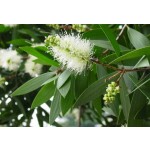
It is a large tree that can reach 40 metres in height and is very long-lived, surviving for around 300 years. Copaiba forests are exploited by the timber industry, and both the oleoresin and essential oil come from wild trees.
The medicinal properties of the oleoresin exuded by copaiba have been known to Indigenous peoples since ancient times. It is considered a true panacea in some regions of South America, where it has been used for hundreds of years to heal wounds and skin diseases. In Europe, until the early XX century, it was recommended for treating gonorrhoea (a sexually transmitted infectious disease).
In rural Colombia, it is traditionally used to treat gastritis, scars, arthritis, wounds and fungal infections.
Brazilian spiritual philosopher Jose Trigueirinho recounts that shamans used Copaiba wood and oleoresin in purification rituals. They anointed wounded warriors’ bodies with copaiba balsam when they returned from war and purified them with the smoke of burning copaiba wood. Trigueirinho says: “The intention of the shaman, the religious, ritual and healing leader of these groups and the guide of their sacred ceremonies, was to free the warriors from the negative and destructive vibrations arising from armed and lethal conflicts, which deeply permeate the combatants’ bodies and then negatively affect the whole organism or the whole being.”
We could describe the aroma of copaiba oil as discreet, delicate, undoubtedly woody and slightly spicy. Comforting and enveloping, it is particularly suited to the most delicate and sensitive souls.
Appearance: Cloudy liquid, brown to dark brown
Precautions
Do not use during the first three months of pregnancy.
Do not apply directly to the skin. Dilute in a carrier oil or follow the recommended usage rate for creams and other cosmetics.


Related products
Reviews
Customer reviews 13 item(s)
| Rating |

|
|---|
| Rating |
|
|---|
| Rating |
|
|---|
| Rating |
|
|---|
To write a review, sign in to your account.
Sign in