
Product information
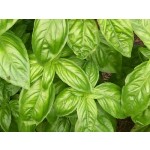
- INCI: Ocimum basilicum
- Other names: Greek basil, sweet basil
- Essential oil type: 100% pure, complete
- Relative density: 0,894
- Optical rotation: -9,65º
- Refractive index: 1,475
- Extraction: Steam distillation
- Part used: Flowering top
- Fragrance note: Top
- Aroma strength: Medium
- Country of origin: Egypt
- AE2119
- CAS number: 8015-73-4
- EINECS number: 283-900-8
- Main components:
- Linalol: 51,37%
- 1,8 Cineol: 8,40%
- Eugenol: 5,06%
- α Bergamoteno: 5,26%
- β Elemeno: 4,32%
- γ Cadineno: 2,28%
- Germacreno D: 1,49%
- α Bulneseno: 1,24%
- Acetato de Bornilo: 1,11%
- β Ocimeno: 0,67%
- Canfeno: 0,51%
- Estragol: 0,48%
Estos componentes son Específicos para este Lote. El Quimiotipado se realiza mediante análisis de GCMS.
- Additives: None
Prices always include VAT.
Description
Exotic basil is native to India, where it has been cultivated for at least 4000 years. Its name comes from the word “Basilicon”, meaning “royal and aristocratic”.
The plant was introduced into Asia Minor and Egypt before reaching Europe. In Egypt, thirty centuries ago, it was used to scent temples and was among the plants used in funerary rituals. It reached Greece, probably introduced by Alexander the Great in the IV century BC, and its cultivation gradually spread to imperial Rome.
In ancient Greece, physicians used the plant to prepare medicinal remedies for royalty.
In ancient times, it was attributed many magical powers, such as protection from snakes, monsters and other evil spirits. The plant has also been associated with love and desire.
It has been regarded as a protective plant. In India, where sacred basil is revered, it is placed at the entrances to homes and accompanies the dead on their final journey.
The composition of exotic basil can vary considerably, giving rise to different chemotypes. The three main ones are methyl-chavicol, linalool and citriodora. Their aromas and, consequently, their therapeutic properties also vary.
Precautions
Do not use during the first three months of pregnancy or in children under 6 years of age.
Taxonomy
Botanical name: Ocimum basilicum var.basilicum linaloliferum - Family: Lamiaceae - Genus: Ocimum


Related products
Reviews
Customer reviews 1 item(s)

To write a review, sign in to your account.
Sign in